Brazil’s lifelong outsider shares hard-won lessons
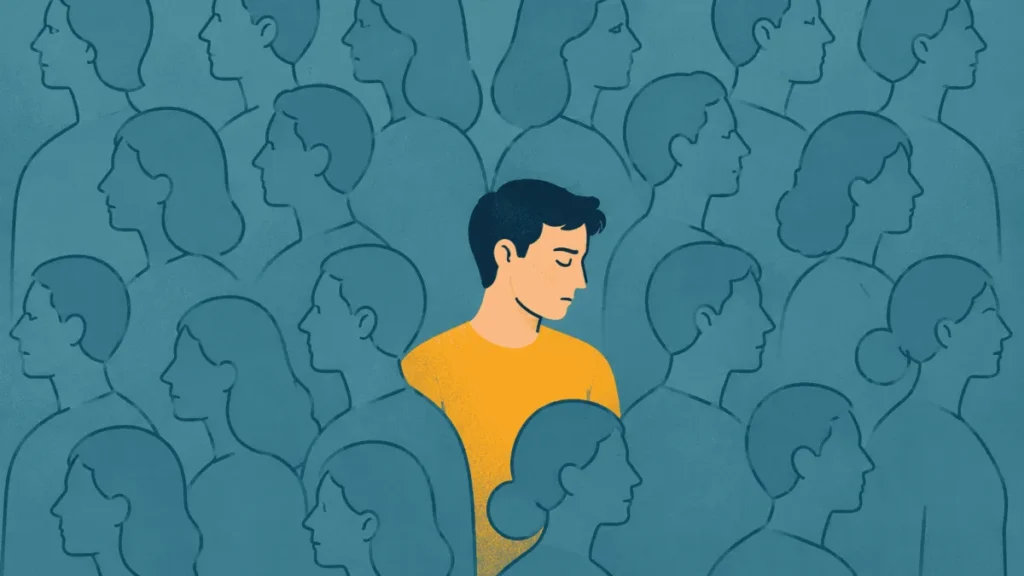
For most of his life, the author felt like he was standing outside the circle. This feeling of being on the outside looking in drove him to prove himself through sports, music, and teaching. He wanted to be the kind of person people were glad to know. He pushed himself to make great plays, to play his bass guitar with energy, and to become a teacher who changes lives. Underneath these desires was a deep longing for connection.
In his early twenties, the author moved to Philadelphia for graduate school. One cold night, a friend brought him to a party. The group stood around a pool, talking and enjoying the evening. He tried to join conversations but could not find a way in. After about an hour, he stepped off the edge of the pool into the deep end, fully dressed. He stayed under the cold water for a few seconds. His friend was embarrassed. They drove home in silence, the author soaking wet.
He could not explain his actions for a long time. The memory stayed with him for thirty years. He felt shame about that night, as if needing to be seen and valued was a weakness. It took decades for him to understand that the need itself was not the problem. He later read that for most of human history, people lived in small groups. A person’s place in that group was everything. It determined if they ate, were protected, or survived. Research shows the brain processes the pain of exclusion through the same pathways as physical injury.
The author now realizes he was not needy in a shameful way. He was a young man alone in a crowd. He chose the rejection he could control over the rejection he could not. The cold water did not pretend he belonged. He has come to see that the humiliation was part of his becoming who he was meant to be. Because he knows what it feels like to be unseen, he can recognize that struggle in others. He can help.
Today, when the author walks into a room, he looks for the person standing alone. He knows that person. He has been that person. The feeling of not belonging does not disappear. It eases at times but never fully leaves. He has stopped waiting for that day. The pain becomes something you can carry without being crushed. It becomes a part of who you are that you learn to accept and draw strength from.
He has learned that people tend to give others what they most need themselves. Not everyone will see you for who you are. Some people are tuned to a different frequency. The more honestly you offer yourself to the world, the more you give the right people a chance to know you. The author recalls bringing a homemade Key Lime pie to a New Year’s Eve party in his twenties. A young woman laughed and joined him for a slice. That woman became his wife. She has told him she never liked Key Lime pie. She just wanted to get to know the guy who was brave enough to be himself in a room full of people pretending to be someone else.